

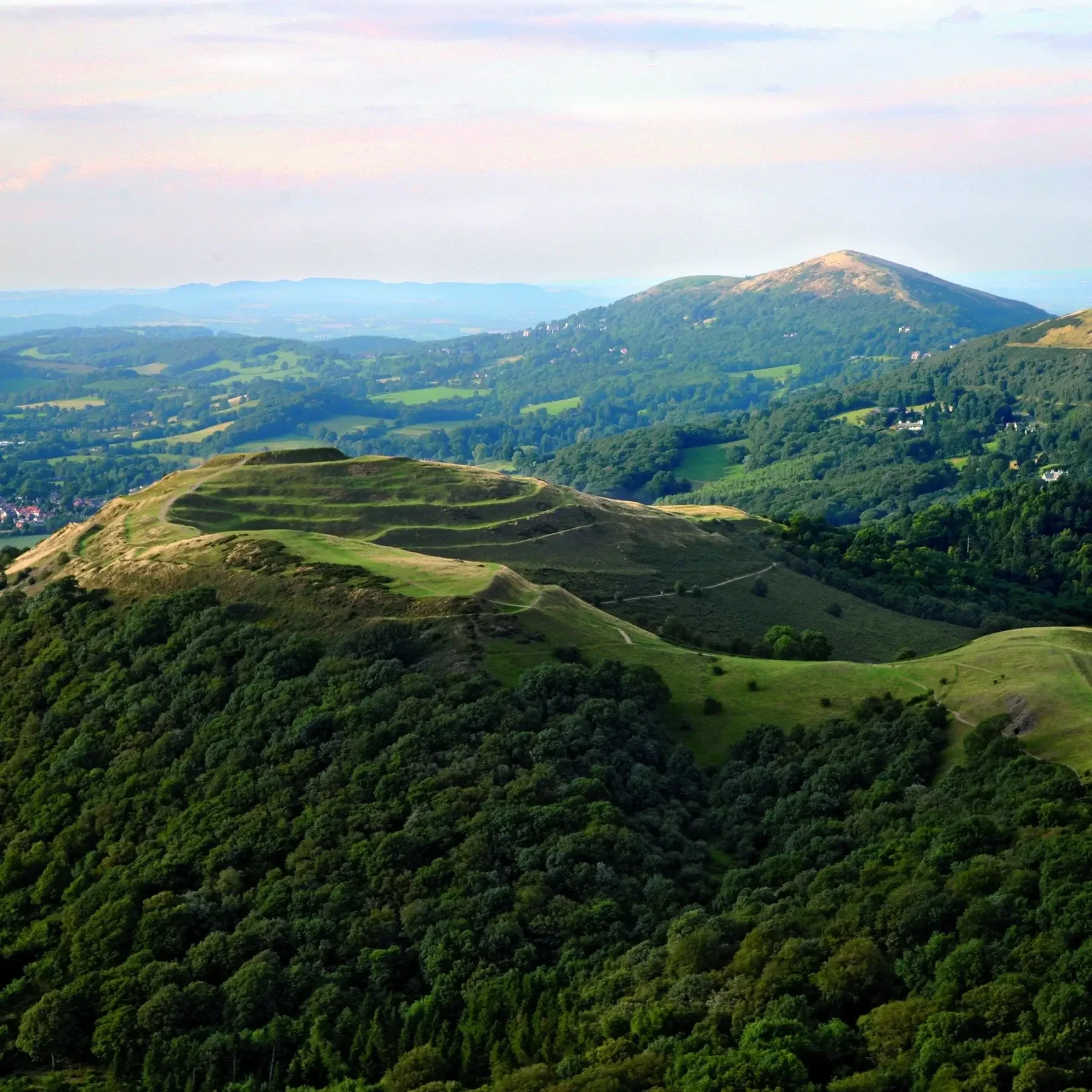
The Malvern Hills
Stretching for nine miles through the counties of Worcestershire, Herefordshire, and Gloucestershire, the Malvern Hills are a dramatic feature of the landscape. With herds of free-roaming Highland cattle and slopes carpeted in bluebells during the spring, the hills provide a playground for casual walkers and serious hikers alike. Comprising some of the most ancient rock in England, it is not difficult to appreciate why the area has long attracted artists and other creatives, and has been a popular tourist destination for recreation, convalescence, and spiritual introspection for many centuries.
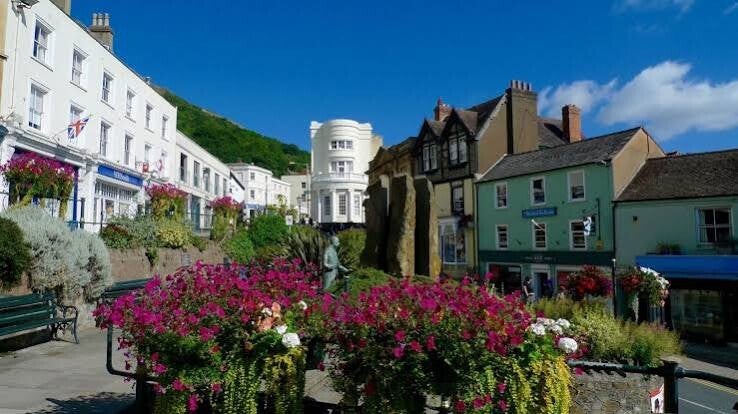
Great Malvern
Great Malvern is a picturesque Victorian spa town at the foot of the Malvern Hills, with a year-round holiday vibe and an abundance of independent cafes, restaurants, pubs, and boutiques, a theatre and cinema, and even a shopping precinct within walking distance of the centre. The views from the town are spectacular, with numerous establishments offering outdoor seating so patrons can enjoy them over refreshments. Great Malvern is the largest of the settlements collectively known as “The Malverns”, and there is always plenty on the social calendar. The town’s transport links are superb and include a regular bus servicing the surrounding areas, including Worcester, and two rail stations, with trains running directly to London Paddington.
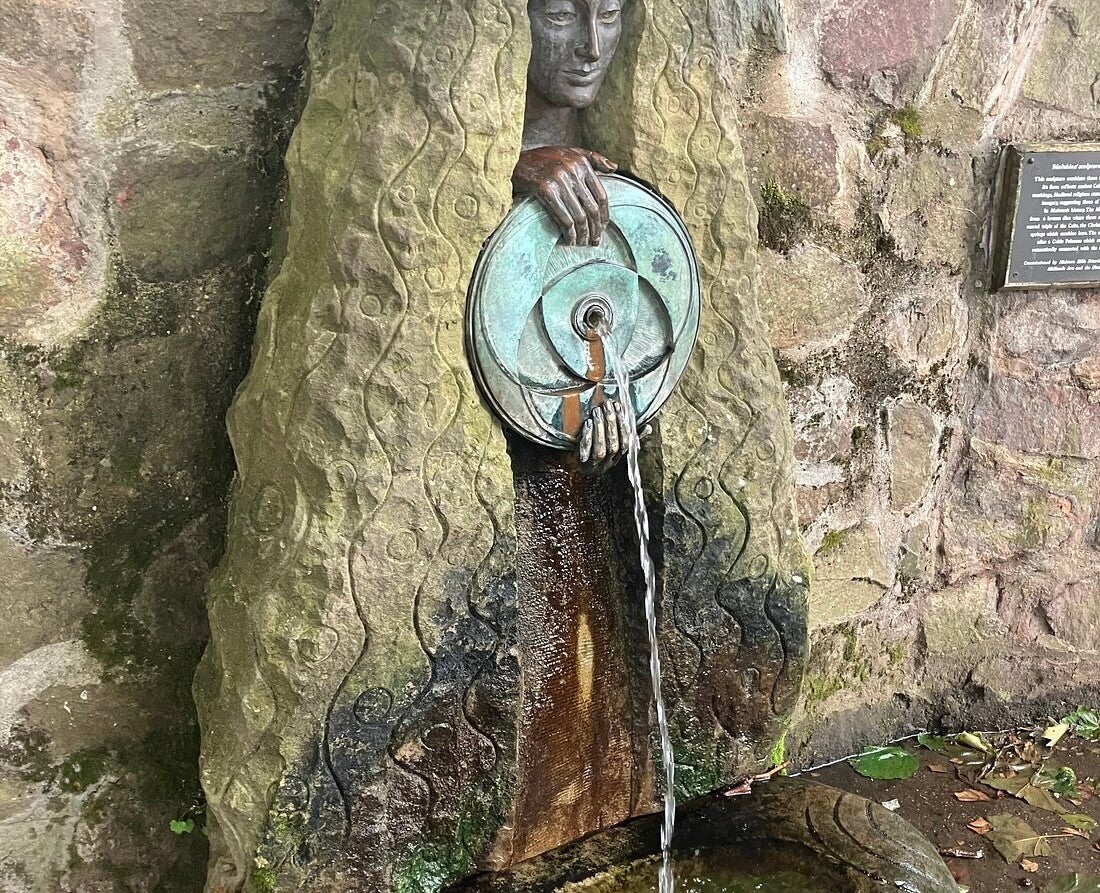
Healing Springs
Malvern became known in the 16th century for the healing properties of its spring water, when Queen Elizabeth I gifted the Holywell to local resident, John Hornyold, and decreed the water should be free to drink for travellers and pilgrims. Bottled in 1850, it was allegedly the first commercially bottled water in the world, with Queen Victoria also swearing by its medicinal qualities and refusing to go anywhere without it. The springs are formed by rainwater falling on the high ground and percolating through the limestone and granite as it runs off the hills.
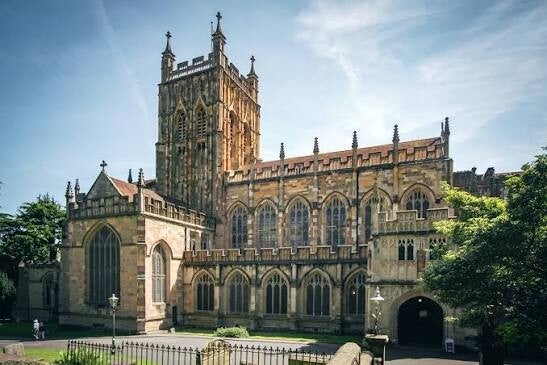
Great Malvern Priory
Great Malvern Priory was founded as a Benedictine monastery in 1085 shortly after the Norman Conquest by a monk named Aldwin and has close historical ties with Westminster Abbey, also a former monastery of the Benedictine order. It was thankfully spared during the Dissolution when parishioners purchased it from King Henry VIII, and is a working Anglican Church to this day, boasting the largest display of medieval floor and wall tiles in the country.